


The 20th Century Expansion of IP Rights and Royalties
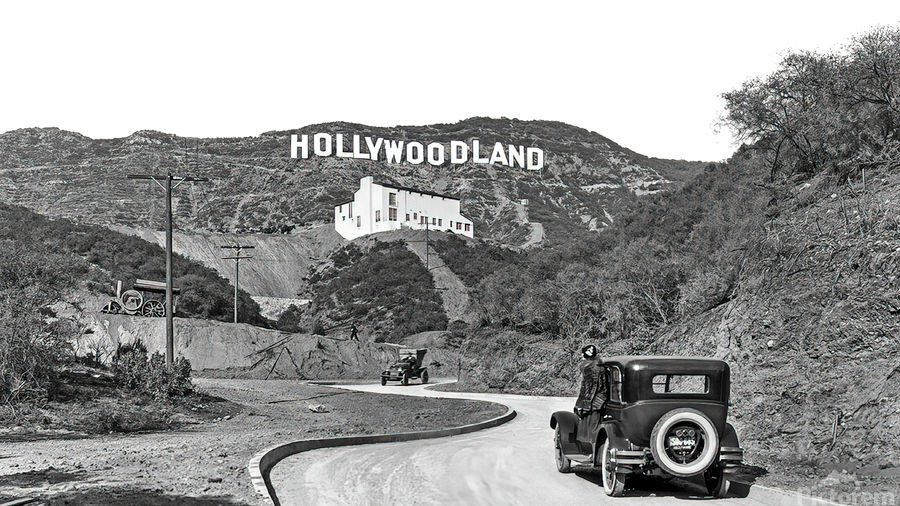
The twentieth century was a period of explosive growth in intellectual property (IP). New technologies—radio, sound film, television, video games, digital recording, and eventually the internet—reshaped how creative works were distributed and monetized. With each innovation came fresh legal challenges, new royalty streams, and increasingly complex licensing structures.
For today’s creators, entertainment professionals, and businesses, understanding how these changes unfolded provides valuable insight into the systems of royalties and entertainment accounting we rely on today.
Performing Rights: Competition and Market Access
By the 1920s, radio had become a dominant force in entertainment, and performing rights took center stage. ASCAP (the American Society of Composers, Authors and Publishers) held strong control, offering blanket licenses to broadcasters but favoring Broadway and classical composers while excluding emerging genres like jazz, blues, and country.
Broadcasters responded by forming BMI (Broadcast Music Inc.) in 1939, opening the door to underrepresented songwriters and reshaping the licensing landscape. This competition democratized access to royalties and forced fairer pricing. Other societies such as SESAC and SOCAN soon emerged, broadening representation across regions and repertoires.
By mid-century, performance royalties, mechanical royalties, and synchronization fees were the lifeblood of composers—replacing sheet music sales as the industry’s core income stream.
Mechanical Royalties in the Electrical and Digital Eras
The early 1909 compulsory mechanical license gave songwriters a fixed royalty per copy sold, but as technology advanced, Congress had to revisit the rules.
Key milestones included:
1971 Sound Recording Act — extended federal protection to sound recordings to combat piracy of LPs and tapes.
1976 Copyright Act — modernized U.S. copyright law, confirming that mechanical licenses applied to both physical copies and distributions.
1995 Digital Performance Right in Sound Recordings Act — introduced royalties for digital transmissions.
1998 DMCA — expanded digital protections and anti-circumvention measures.
2018 Music Modernization Act — created the Mechanical Licensing Collective (MLC) to centralize licensing for streaming services, simplifying royalty collection in the digital age.
Alongside these statutory frameworks, private entities like the Harry Fox Agency (HFA) played a crucial role in issuing licenses, collecting payments, and auditing licensees. In the streaming era, HFA now works with the MLC to manage vast volumes of licensing data and payments.
New Frontiers: Film, Television, and Games
The invention of synchronized sound in film created an entirely new revenue stream: synchronization rights (sync rights). Producers paid upfront fees to embed music into films, and performance royalties flowed as movies were screened globally. Television extended this model, with every broadcast triggering additional licensing obligations.
By the 1980s, music videos and channels like MTV blurred the lines between audio and visual media, further expanding royalty streams. Video games then entered the mix, licensing music for soundtracks and introducing royalties tied to game sales, subscriptions, and downloadable content. Even beyond music, developers began licensing software features and protecting mechanics through copyright and patents.
Each new medium not only diversified royalty sources but also highlighted the growing need for accurate royalty audits and specialized entertainment accounting.
Global Expansion of Performing Rights
In the U.S., competition drove innovation, but abroad many countries developed author-centric systems. Organizations like France’s SACEM and the UK’s PRS managed performing rights collectively, often under government regulation.
As satellite and cable channels expanded internationally, reciprocal agreements ensured royalties collected in one country could flow back to rights holders in another. These agreements set the stage for the global licensing networks we rely on today, where a single song might generate royalties across dozens of markets.
Patent Licensing and the Rise of Technology Giants
While music and entertainment rights were evolving, the second half of the twentieth century also saw massive growth in patent licensing. Electronics, biotechnology, and information technology industries adopted cross-licensing agreementsto avoid litigation and keep innovation flowing.
Standards organizations introduced FRAND (fair, reasonable, and non-discriminatory) terms to ensure essential technologies could be licensed broadly. At the same time, the rise of patent assertion entities, often criticized as “trolls,” pushed courts and lawmakers to refine the balance between innovation and abuse.
A Complex Global System
By the close of the twentieth century, IP rights and royalties had grown into a multifaceted, global system:
Performance, mechanical, synchronization, and print royalties formed the backbone of music income.
Collective organizations like ASCAP, BMI, SOCAN, and the MLC handled complex rights management.
Film, television, and video games created entirely new revenue streams.
Patent licensing became a strategic tool in high-tech industries worldwide.
These developments created both opportunities and challenges that continue to define the entertainment and technology industries today.
Final Thoughts
The twentieth century proved that as technology evolves, so must IP rights and royalty structures. From sheet music to streaming, from silent films to video games, each leap forward required new licensing solutions and stronger systems of entertainment accounting.
For creators, businesses, and rights holders, understanding this history is more than just a lesson—it’s a guide to navigating today’s complex IP landscape.
At newmediafs.com, we help creators and entertainment professionals protect and maximize the value of their work. Whether you need a CPA for creators, a royalty audit, or expert guidance on intellectual property, the right support ensures your IP works as hard for you as you worked to create it.


Comments